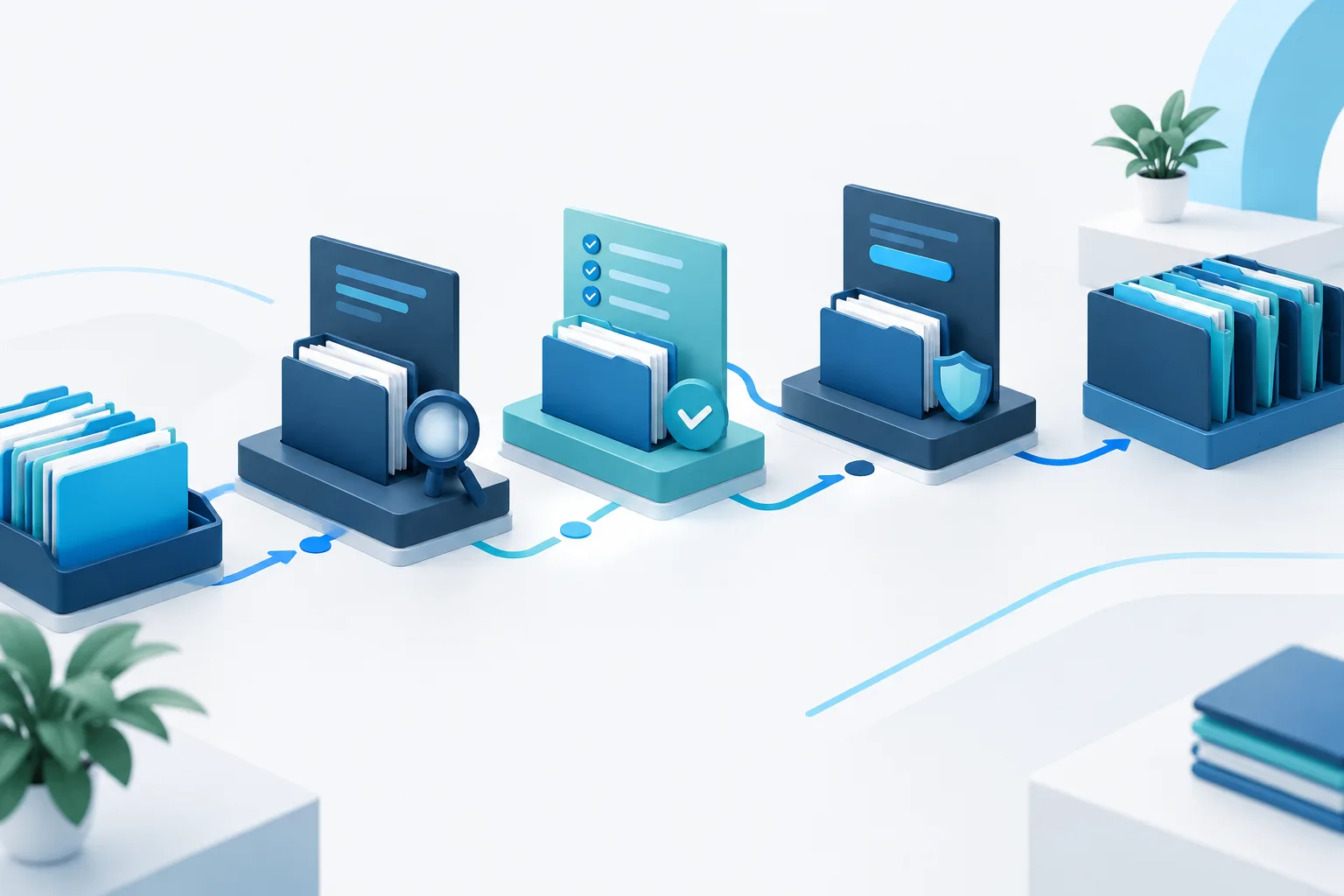
Suspicious transaction alert triage is the process of organizing alerts so that the right investigator can review them with the right context and urgency. The goal is not to let a score decide what happened or what should be reported. It is to help a trained person focus attention, investigate, document a conclusion, and escalate when needed.
A dependable workflow connects the steps from alert intake through disposition. It uses the institution’s risk assessment and procedures, accounts for analyst expertise and capacity, and keeps a clear record of how decisions were made. AI and rules-based tools can support this work by organizing queues and surfacing relevant information, while qualified people retain responsibility for investigation and reporting decisions.
Build triage around risk and context
A single score or threshold may be easy to apply, but it can hide important differences between alerts. Instead, define routing criteria that reflect your institution’s risk assessment and the kinds of activity your team needs to investigate. Consider factors such as:
- Activity and transaction context: What pattern triggered the alert? Does the activity appear unusual in context, and are there connected transactions or counterparties to review?
- Customer and relationship context: What relevant information about the customer, account, or expected activity is available to the investigator?
- Urgency: Does the alert involve a time-sensitive concern under the institution’s procedures, or can it enter a standard review queue?
- Investigator expertise: Does the case call for experience with a particular product, customer type, transaction pattern, or investigative method?
- Team capacity: Which qualified investigator has the capacity to take the work without creating an unmanageable backlog elsewhere?
These factors are not a universal scoring formula. Document how they apply in your environment, who can change routing criteria, and how the team will review whether the criteria continue to work as intended. A workflow assessment can help identify where alerts stall or arrive without enough context. See how to assess a workflow for improvement opportunities.
Make the handoff useful to the investigator
Routing an alert to the right person only helps if the handoff makes the next step clear. The assigned analyst should be able to understand why the alert appeared, what information is available, and what the workflow expects them to do next.
Include the alert rationale and the relevant transaction pattern, along with customer context that is appropriate for the review. Surface prior related alerts or investigations when available, and distinguish verified information from automated observations or inferences. Provide a clear status, such as awaiting initial review or pending escalation, and direct the analyst to the relevant procedure or documentation area.
A useful handoff should not imply that the alert proves suspicious activity. It should help the investigator test the alert’s rationale, review relevant evidence, and record what remains uncertain. Keep access to sensitive information consistent with the institution’s approved controls.
Define escalation before the queue gets busy
An escalation path should describe what happens when an alert needs a more experienced review, requires a compliance decision, or cannot be resolved within the normal workflow. Spell out the triggers, destination, and expected handoff information in internal procedures. Avoid relying on informal messages or individual memory to move sensitive work forward.
Possible escalation triggers might include material new information, a connection to other activity, unresolved questions after initial review, or a concern that falls outside the analyst’s authority. The appropriate triggers depend on the institution’s procedures and risk assessment. Make clear who can request escalation, who receives it, and how the case returns to the workflow after review.
Record the reason for escalation and the action taken. If the team changes a routing rule or a case’s priority, preserve the reason and the appropriate approval trail. This makes it easier for supervisors to understand the path a case followed and to identify recurring bottlenecks.
Link related alerts without losing case history
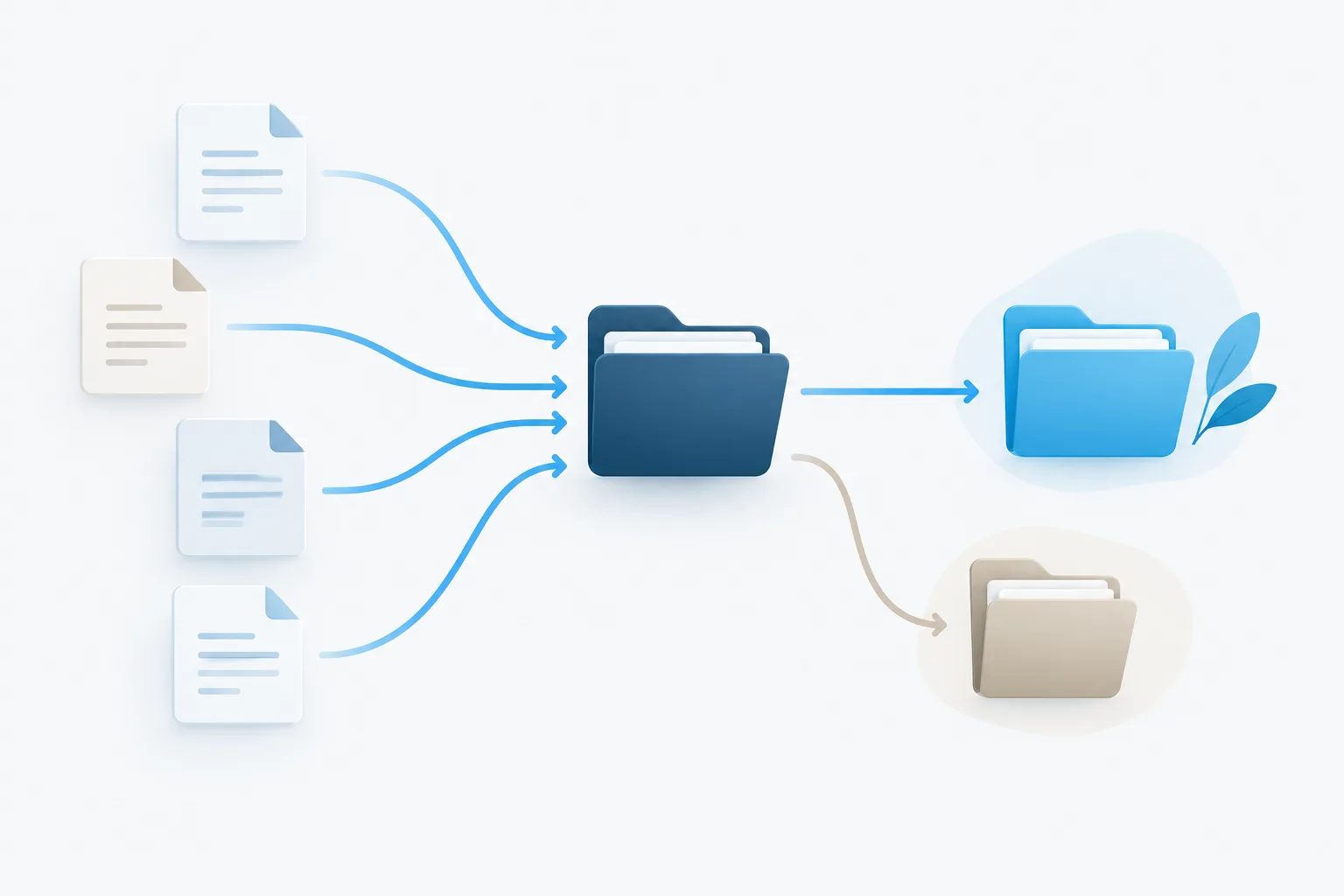
Repeated alerts about the same customer or activity can consume review time, but treating them as duplicates too quickly can obscure new information. Give analysts a way to see related alerts together, compare the underlying activity, and determine whether a new alert adds meaningful context.
When an alert is linked to an existing investigation, preserve its original details and record why it was linked. If it is handled as a duplicate, document the basis for that decision and whether the existing case already covers the relevant activity. The aim is to reduce repetitive work without erasing distinctions that may matter to a later review.
Use AI to organize work, not decide the outcome
AI or rules-based tools can assist with queue organization, grouping related alerts, summarizing available records, or surfacing information an analyst may want to review. They can also help route work based on institution-defined criteria. These functions should support, rather than replace, investigation and authorized human decision-making.
Make the tool’s role understandable to the people who use it. Analysts should be able to see the basis for a suggested priority or assignment and have a defined way to correct or challenge it. Keep appropriate records of inputs, changes, and human decisions, and review whether the system is routing work as intended. The CFPB’s request for information on financial institutions’ use of AI offers context for considering oversight when AI is part of a financial workflow.
For alert handling, a tool should not make the institution’s suspicious activity reporting decision. Keep that decision with the authorized human role under the institution’s procedures. For reporting questions, teams can refer to FinCEN’s frequently asked questions on suspicious activity reporting and follow their internal compliance process.
Document both the work and the disposition
A complete record should let an authorized reviewer understand what the analyst considered and why the alert was closed, continued, or escalated. Depending on the case and internal procedure, document:
- The alert rationale and relevant information reviewed.
- Related alerts, cases, or activity considered.
- Questions the analyst investigated and any material findings.
- The disposition, its rationale, and any unresolved points.
- Escalation steps, supervisory input, or changes to the case status.
Use the institution’s approved recordkeeping process and make sure the expected level of detail is clear to analysts. Supervisors should be able to review a decision without having to reconstruct it from scattered notes or messages.
Make the process workable for a small team
A smaller compliance team can still create a clear workflow. Start by mapping how an alert arrives, how urgency and expertise are considered, who can approve an escalation, and where the final disposition is recorded. Prioritize the parts that cause repeated delays or leave analysts without enough context.
Use a shared queue or case process with clear ownership and status, rather than relying on individual inboxes. If automation is introduced, begin with a defined task such as surfacing related alerts or organizing assignments. Review whether it helps analysts, and keep a manual path for exceptions or tool failures. A structured routing process can help teams make workloads visible; this overview of AI-supported workflow routing covers related design considerations.
Frequently asked questions
How should financial institutions prioritize suspicious transaction alerts?
Use institution-specific criteria that account for activity context, customer and transaction risk, urgency, investigator expertise, and available capacity. Document the criteria and review whether they support consistent, useful routing.
What should an analyst receive with an alert?
Provide the alert rationale, relevant transaction pattern, appropriate customer context, related alerts when available, and a clear next step. Distinguish source information from automated summaries or suggestions.
How should teams handle duplicate alerts?
Link related alerts where appropriate, compare their underlying activity, and preserve each alert’s details. Document why an alert was treated as a duplicate and whether it adds new information to an existing review.
Can AI prioritize alerts without making the reporting decision?
AI can help organize queues or surface context under institution-defined controls. Keep investigation, documentation, and reporting decisions with the authorized human roles in the institution’s procedures.
When should an alert go to a senior investigator or compliance officer?
Define escalation triggers in internal procedures. They may include unresolved concerns, material new information, or a decision beyond the assigned analyst’s authority. The appropriate path depends on the institution’s risk assessment and governance.
Conclusion
Effective suspicious transaction alert triage connects risk-informed routing with clear handoffs, escalation, and documented human decisions. Start by mapping one alert’s path from receipt to disposition, then identify where context, ownership, or authority is unclear. If you are reviewing how AI can support that workflow, contact Zevonix to discuss workflow automation, integration, and team training.